EV NEWS EV News
India Bought 30,696 Electric Cars in August: Which EV Brands Are Winning in 2026?
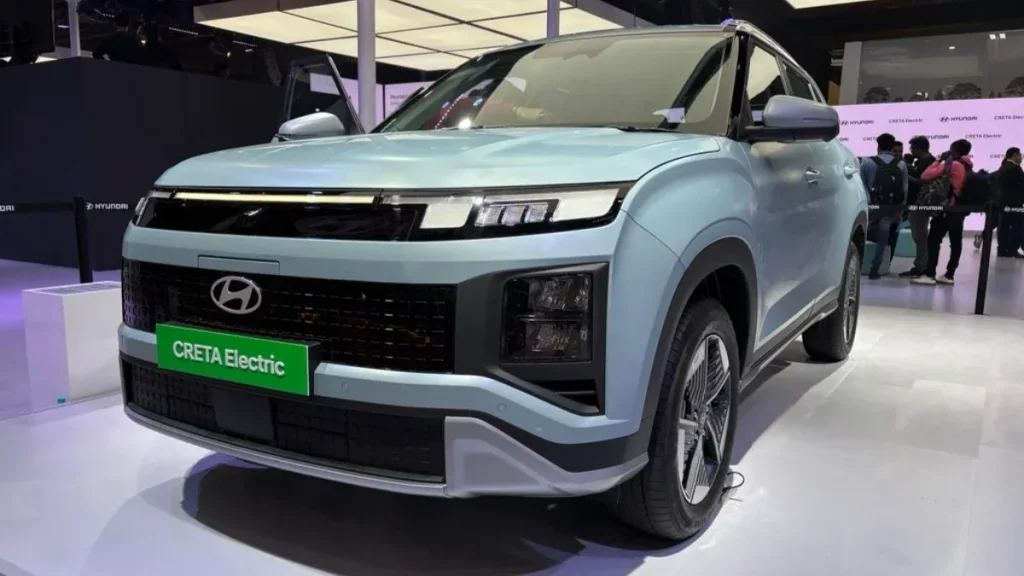
India’s dealers retailed 30,696 electric passenger vehicles in August 2026, according to FADA. That is 51.89% more than the 20,210 sold in August 2025. It is the biggest August the segment has seen, but not the biggest month of the year. July set that bar, and August fell short of it. carlelo
Both things are true at once, and that is the real story. The market is growing fast compared with last year, but it did not grow every month this year. July had been a record, with 32,928 electric passenger vehicles retailed, up 83.1% year on year. August came in about 6.8% lower. Carlelo’s reading of the FADA numbers is that seasonal monsoon patterns explain the dip. FADA made a similar point about the broader auto market, citing monsoon and festival-calendar shifts. That fits the pattern, though FADA hasn’t singled out EVs as a special case. telanganatoday
For a buyer, the dip matters less than what sits underneath it. EVs made up 7.63% of all passenger vehicle retail in August. That is roughly one in every 13 new cars sold, and the number was about 5.8% a year ago. More important, the choice of brands has widened. A year ago this was mostly a Tata and MG conversation. Now VinFast, Maruti Suzuki, Hyundai, Kia and BYD are all selling real volumes. autocarpro
The big three still dominate, but not equally
Here is how the major brands stacked up in FADA’s retail data.
| Brand | Aug 2026 | Jul 2026 | Aug 2025 | YoY change |
|---|---|---|---|---|
| Tata Motors | 13,158 | 13,678 | 8,064 | +63.2% |
| Mahindra | 6,464 | 7,742 | 4,139 | +56.2% |
| JSW MG Motor | 4,622 | 5,689 | 5,621 | −17.8% |
| VinFast | 2,199 | 1,482 | — | New |
| Maruti Suzuki | 1,412 | 1,600 | — | New |
| Hyundai | 803 | 566 | 686 | +17.1% |
| Kia | 645 | 470 | 501 | +28.7% |
| BYD | 543 | 749 | 581 | −6.5% |
Source: FADA retail data as compiled by Carlelo. These are retail registrations, not factory dispatches.
Tata Motors sold 13,158 EVs. Working from FADA’s figures, that is about 43% of every electric car retailed in the country. Tata, Mahindra and MG together account for roughly 79% of the market. India’s EV market is growing, but it is still lopsided.
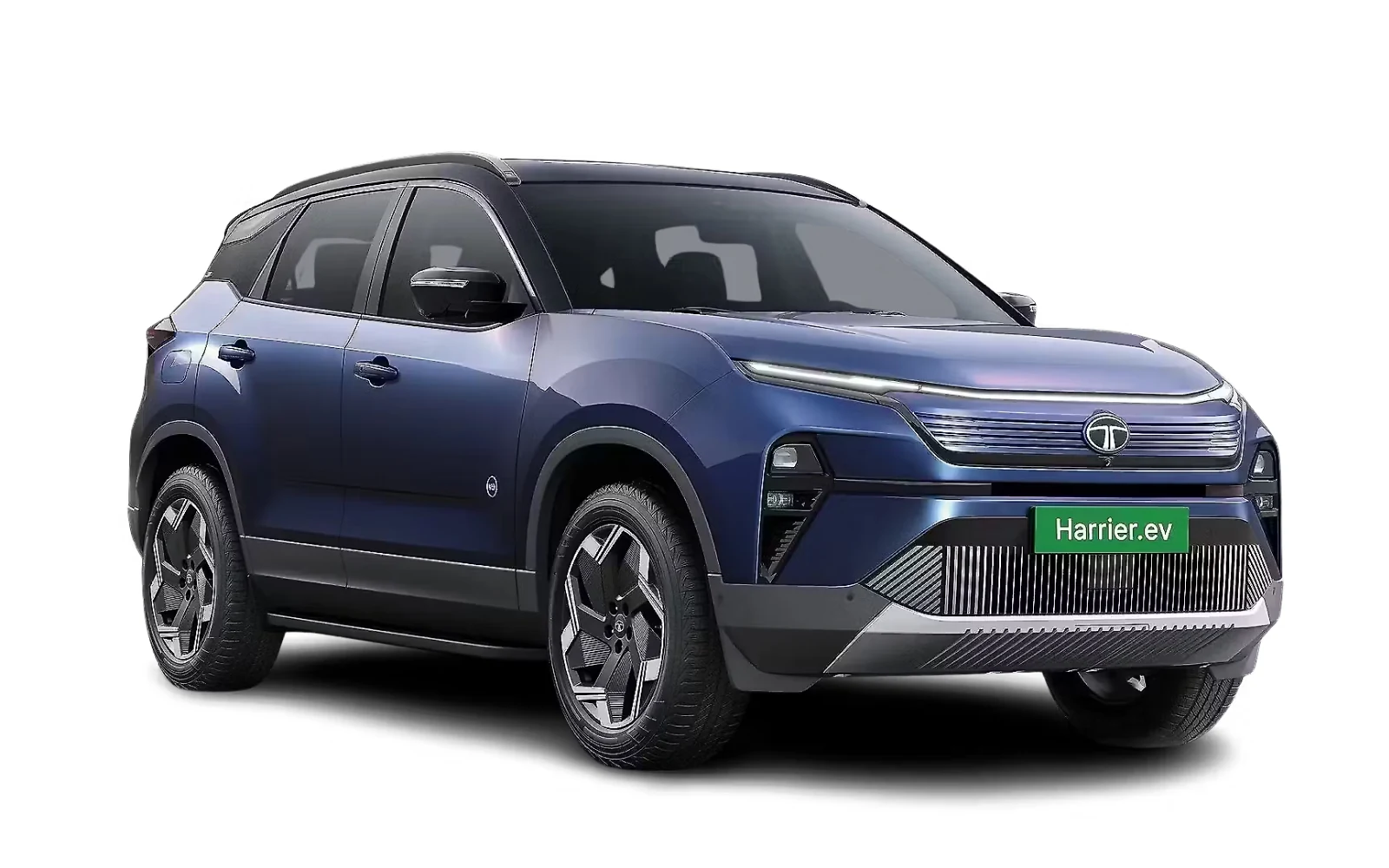
What stands out about Tata is how little it slipped. Tata dipped 3.8% from July while Mahindra fell 16.5% and MG 18.8%. In a softer month, Tata held its ground better than its two nearest rivals. That is analysis, not a company claim, but the numbers support it. Tata has a wide range of EVs at different price points, and a shared dealer network that has had years to build trust. It also recently added the Sierra EV, which Carlelo reports launched from ₹18.79 lakh with a claimed range of up to 665 km. Deliveries began mid-July.
Mahindra held second place with 6,464 units, up 56% on last year. Its newer models are clearly working. Dispatch figures from Auto Punditz (factory-to-dealer, not retail) put the Mahindra 9S at the top of the model list with 4,508 units, just ahead of the Tata Punch EV on 4,430. The BE 6 added another 1,696 on that list. A three-row electric SUV leading a sales chart would have sounded unlikely not long ago, and it suggests larger families are now looking at EVs too.
MG is the awkward one. It is still third, but its retail sales fell about 18% year on year, from 5,621 to 4,622. The Windsor EV remains one of the better-selling models on the dispatch list, so the brand has not gone anywhere. The numbers do suggest that the wave of new competitors has taken some of the buyers who might once have defaulted to MG.
VinFast is the surprise of the month
Autocar India’s headline said it plainly: VinFast took the fourth spot from Maruti Suzuki in August. In FADA’s data, VinFast moved from 1,482 units in July to 2,199 in August, a jump of more than 48%. Maruti Suzuki’s eVitara retailed 1,412, down about 12%. Be careful with this one. VinFast is a new brand with only a few months of sales behind it, and one month is not a trend. A strong August could reflect launch momentum, initial dealer stocking or a handful of aggressive offers. What can be said with confidence is that a brand most Indian buyers hadn’t heard of last year is now selling more EVs than Maruti Suzuki, India’s largest carmaker.
Maruti’s own position needs context too. The eVitara is the company’s first mass-market EV, and 1,412 retail units is a modest start by Maruti’s usual standards. Its volumes are small compared with its petrol, CNG and hybrid sales.
Hyundai, Kia and BYD
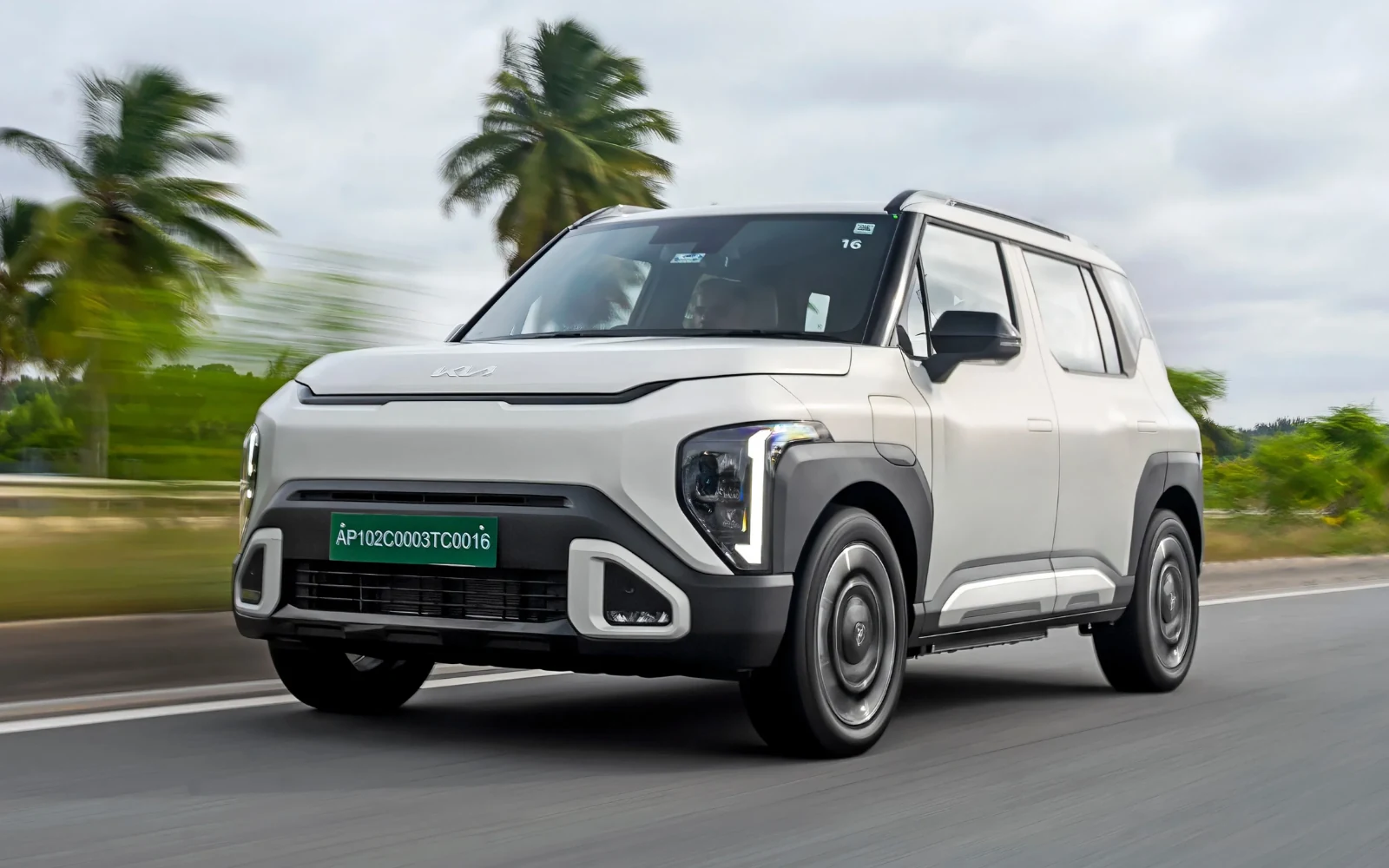
Hyundai and Kia both grew month on month, with Hyundai at 803 units (up 41.9%) and Kia at 645 (up 37.2%). Autocar Pro notes Kia recorded its second-highest monthly EV sales ever in August, helped by demand for the Syros EV. These numbers are small next to Tata’s, but both brands are moving in the right direction.
BYD went the other way, slipping from 749 to 543 units, a drop of about 27.5% from July.
What about luxury EVs?
Luxury EVs are still a rounding error in the overall picture. Autocar Pro, using Vahan registration data, puts luxury makers at 1.79% of electric passenger vehicles sold in August. BMW leads on FADA’s numbers with 274 units, followed by Tesla at 116 and Mercedes-Benz at 114.
Tesla’s position is the interesting part. Autocar Pro says its share of the luxury EV segment jumped from about 4% in June to about 20% in July and August. Its absolute volumes are small, but it has moved into the top three of that segment in just a few months.
EVs are also changing the fuel mix
One FADA detail is easy to miss. Alternative fuels overtook petrol in India’s passenger vehicle market for the first time, at 41.95% against petrol’s 40.85%. FADA’s breakdown shows CNG/LPG at 25.28%, hybrids at 9.04% and EVs at 7.63%. fada
EVs are only one part of that shift, but they are the fastest-growing part. According to Autocar Pro, India has already passed 2 lakh electric passenger vehicle sales in the first eight months of 2026. With the festive season approaching, that total will climb further.
What this means for buyers
If you want the safest, most established choice, Tata’s lead is hard to ignore. A large share of buyers picked Tata, and its range covers a wide spread of budgets. That doesn’t make it the right EV for you, but it does mean there is a large pool of owners and service experience behind it.
If you need space, the Mahindra 9S shows demand for bigger EVs is real. Check the actual boot space and third-row usability before you book, because company-claimed numbers rarely tell you how a car packs in daily use.
If you want something newer, VinFast and Maruti Suzuki are worth a test drive. Ask how many service centres are near you and how long parts take to arrive. Those two questions matter more than launch discounts.
If you’re thinking about waiting, Carlelo reports the VinFast VF3 and Volvo EX90 and ES90 are expected in October. That is an expectation, not a confirmed launch date. Waiting for a model that has no official date is a gamble, especially when festive offers on existing models may arrive first.
Whatever you pick, remember that ex-showroom prices are not what you pay. On-road cost, insurance and city-specific offers change the final number, and the claimed range on the brochure will not match your real-world range. Speed, temperature, driving style and AC use all change it.
What to watch next
September’s numbers will show whether August was a pause or the start of a plateau. Dealer inventory is also worth watching. FADA says passenger vehicle stock rose by about five days over July-end to around 38–40 days. That gives dealers more reason to offer discounts, which could help buyers in the coming weeks. If monsoon weakness was the main cause of August’s dip, the festive months should show a rebound.
FAQ
FADA reported 30,696 electric passenger vehicles retailed, up 51.89% year on year. Vahan-based counts are slightly lower, around 30,300 to 30,400.
Tata Motors, with 13,158 units, followed by Mahindra (6,464) and JSW MG Motor (4,622).
Only compared with July. August was down about 6.8% from July’s record, but up more than 51% on August 2025.
FADA data shows EVs at 7.63% of passenger vehicle retail in August 2026, up from about 5.8% a year earlier.
For August, yes: 2,199 units for VinFast against 1,412 for Maruti. One month is not a trend, but the gap widened from July.
More EV news
News story
Tata EV BaaS Prices Explained: Up to ₹7.3 Lakh Less Upfront, but What Do Buyers Pay Later?
October 1, 2026
News story
Mahindra Charge_iN Reaches 50 Stations; First HPCL Site Opens on Mumbai–Pune Expressway
September 29, 2026