EV NEWS EV News
Tata EV BaaS Prices Explained: Up to ₹7.3 Lakh Less Upfront, but What Do Buyers Pay Later?
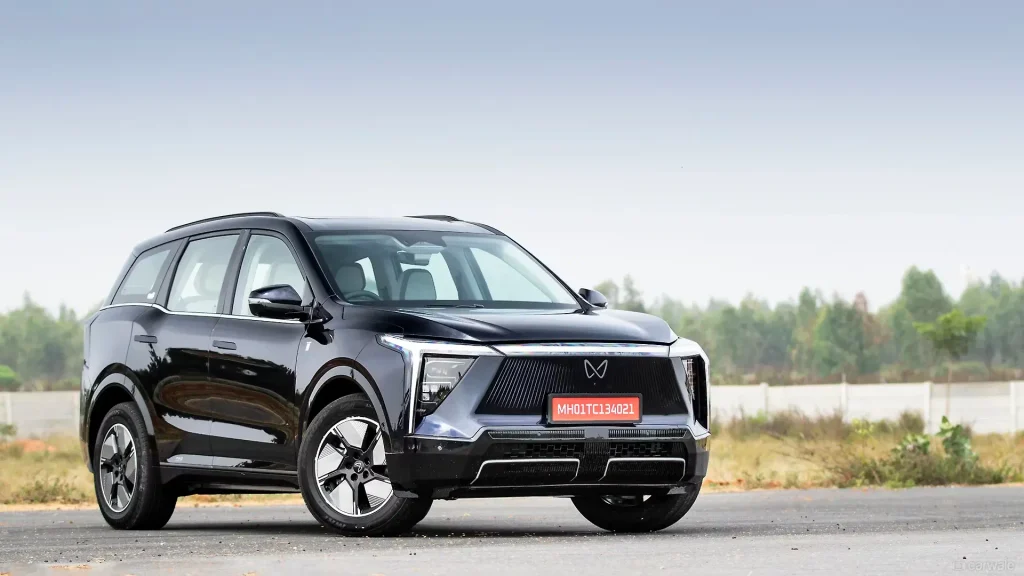
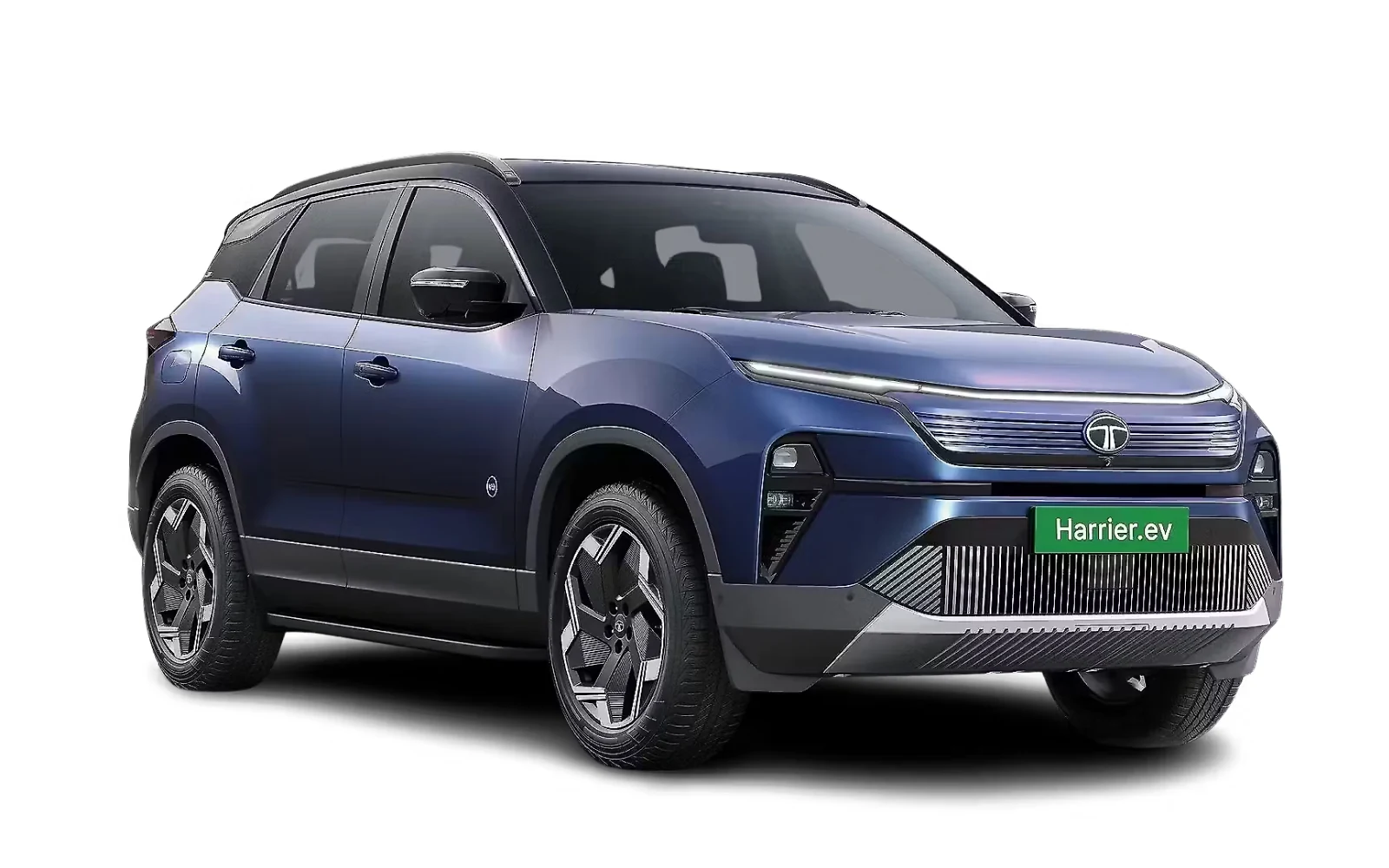
Tata’s Battery-as-a-Service (BaaS) finance option has expanded to the Nexon.ev, Curvv.ev, Sierra.ev and Harrier.ev, according to reports published on 28 September 2026. The Tiago.ev and Punch.ev already had the option, bringing all six models in Tata’s reported electric-car line-up under the scheme. The largest difference between the regular starting price and BaaS vehicle price is ₹7.30 lakh on the Harrier.ev. Autocar India
That does not mean a Harrier.ev buyer pays ₹7.30 lakh less for the car and battery over the full loan term. BaaS separates the vehicle and battery financing. The advertised vehicle price is lower because the battery payment sits in a separate arrangement. Tata buyers can also choose a conventional purchase with the battery included in the vehicle price. Autocar India
For an Indian buyer, the useful question is whether the combined monthly payments and total amount payable fit their budget better. A BaaS quote may make an EV easier to purchase initially, but the vehicle loan, battery finance, charging, insurance and on-road charges still need to be considered together.
How much do Tata EVs cost under BaaS?
The figures below are reported entry-variant, ex-showroom comparisons, not on-road quotes. The “difference upfront” compares the regular entry price with the BaaS vehicle price. It is not a guaranteed ownership saving. The published examples assume 60 km of daily use, except the Tiago.ev example, which assumes 44 km. Charging and government levies are excluded. Autocar India
| Tata EV | Regular starting price | BaaS vehicle price | Difference upfront | Published effective battery rate |
|---|---|---|---|---|
| Tiago.ev | ₹6.99 lakh | ₹4.69 lakh | ₹2.30 lakh | ₹2.60/km |
| Punch.ev | ₹9.79 lakh | ₹6.59 lakh | ₹3.20 lakh | ₹2.60/km |
| Nexon.ev | ₹14.34 lakh | ₹8.99 lakh | ₹5.35 lakh | ₹4.40/km |
| Curvv.ev | ₹17.19 lakh | ₹10.99 lakh | ₹6.20 lakh | ₹5.00/km |
| Sierra.ev | ₹18.79 lakh | ₹11.99 lakh | ₹6.80 lakh | ₹5.50/km |
| Harrier.ev | ₹21.79 lakh | ₹14.49 lakh | ₹7.30 lakh | ₹5.90/km |
These are the reported figures for the specified entry configurations. A buyer selecting another battery or trim needs a fresh comparison for that same variant. Prices and finance terms should be confirmed in a written, city-specific quotation. Autocar India
Is Tata BaaS a battery rental charged by the kilometre?
The “per-kilometre” figure is a useful way to express the published financing example, but buyers should not assume it is simply a meter that bills only the kilometres they drive. Reports describe Tata’s arrangement as a dual-loan finance product: the car and battery are financed separately, and the battery EMI depends on factors including battery size, down payment and loan tenure. Autocar India
Take the Harrier.ev’s advertised ₹5.90/km as an illustration. At the published assumption of 60 km a day for 30 days, that rate corresponds to ₹10,620 for 1,800 km. That multiplication is an illustration, not your confirmed monthly EMI or an invoice. The actual finance offer must state the payment schedule and terms in writing.
It also does not include electricity. Whether you charge mostly at home or use public fast chargers will affect what you spend to run the EV. You can model your electricity assumptions separately with the NUOVOS EV calculators.
Why the starting price alone can mislead
The BaaS number and the regular purchase number answer different questions. The regular ex-showroom price includes the battery in the vehicle purchase. The lower BaaS vehicle price is paired with separate battery financing. Neither number is a complete on-road, financed ownership cost.
A fair comparison starts with two written quotations for the same variant. Ask the dealer to identify the vehicle price, battery arrangement, down payment, interest rates, loan tenures and each monthly payment. Then add registration, insurance, any applicable levies and charging costs. Reports on the Tata scheme specifically exclude charging and statutory charges from the illustrated BaaS figures. Autocar India
Check the total payable over your intended ownership period, not just the first payment or the lowest advertised price. If you plan to sell the EV before the battery finance ends, ask how the outstanding loan is settled and what documentation a future buyer will receive. The answer should come from the financier’s actual agreement.
Who should consider BaaS?
A buyer who wants a lower initial vehicle payment may find BaaS worth examining, particularly when a larger battery EV would otherwise stretch the purchase budget. For example, someone considering the Nexon EV can compare its regular purchase route with a BaaS quote for the exact same trim.
A buyer focused on simpler financing may prefer a battery-included purchase. Someone who plans to keep the vehicle for many years should compare both routes across the full intended period. Neither option is automatically cheaper for every driver: the outcome depends on the actual loan offers, down payment, tenure and use.
Before choosing either route, shortlist the model itself. Check whether the seating, luggage space, charging access and variant equipment work for your family. The NUOVOS EV comparison tool can help narrow the cars; the financing comparison then helps you choose how to pay for the one you prefer.
Five questions to take to the dealership
- Are both quotes for exactly the same variant and battery? Ask the dealer to write the full variant name on each quotation.
- What are the vehicle EMI and battery EMI separately? Request the interest rate, down payment, tenure and total payable for each loan.
- What does the quoted per-kilometre figure assume? Ask how the advertised usage assumption relates to your contract and what happens if your driving differs.
- What is excluded? Check registration, insurance, charger or installation charges, charging electricity and other applicable fees.
- What happens when I sell the EV or repay early? Ask for the battery-finance settlement and transfer terms in writing.
Tata’s wider BaaS availability gives buyers another way to finance an electric car. Its value is in the choice it offers, provided the complete cost is clear. Use the reported entry prices to begin your research, then decide using two itemised quotes for the vehicle you will actually buy.
FAQ
The ₹7.30 lakh figure is the reported difference between the Harrier.ev’s regular starting price and its lower BaaS vehicle starting price. Battery financing is separate, so it is not a ₹7.30 lakh reduction in total ownership cost.
Yes. The September 2026 expansion reportedly added the Nexon.ev alongside the Curvv.ev, Sierra.ev and Harrier.ev. The reported entry BaaS vehicle price for the specified Nexon.ev configuration is ₹8.99 lakh, compared with a regular entry price of ₹14.34 lakh. Confirm the current price and exact variant with Tata or a dealer.
No. The reported BaaS financing examples exclude the cost of charging. Electricity should be added separately when comparing running and ownership costs.
Yes. The reported BaaS programme is an additional finance option; a conventional battery-included purchase remains available.
More EV news
News story
India Bought 30,696 Electric Cars in August: Which EV Brands Are Winning in 2026?
October 1, 2026
News story
Mahindra Charge_iN Reaches 50 Stations; First HPCL Site Opens on Mumbai–Pune Expressway
September 29, 2026